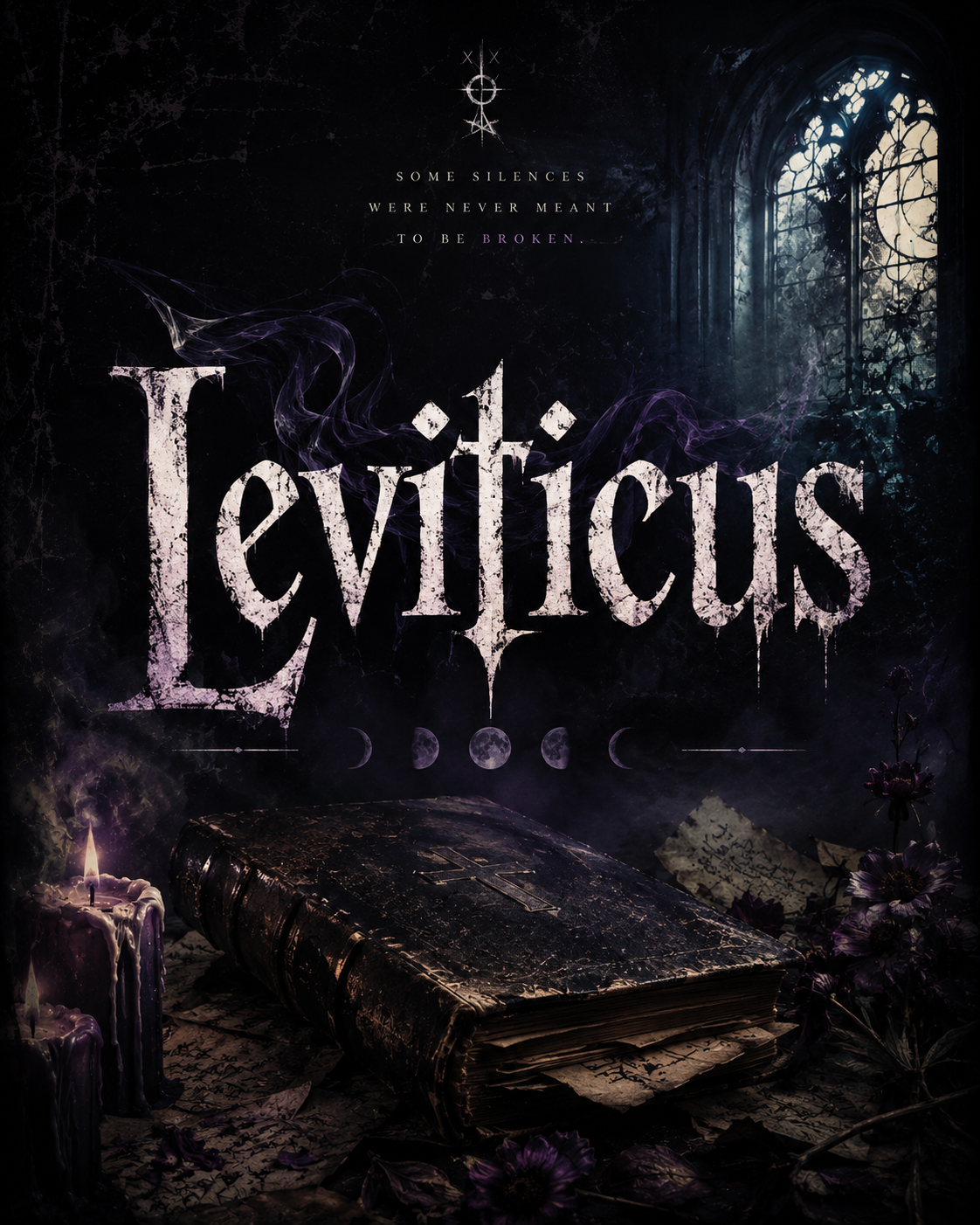
Horror film community ने “trauma” based genre exercises या खुद को “elevated” claim करने वाली
फल्मों को लेकर जो exhaustion express की है, वह intentionality पर उतना based नहीं है िजतना
execution पर है। All horror cinema कसी न कसी तरह personal होता है, लेकन कुछ younger
filmmakers में यह arrogance है क वे claim करते हैं क उनका काम genre की दूसरी entries से “above” है
क्योंक यह कुछ deeper reflect करता है।
ज़्यादातर cases में, यह self-therapy के instances का एक surface-level societal exploration होता है
िजसे एक weak mythology पर lazily graft कर दया जाता है। Conversely, “Leviticus” एक बेहतरीन
example है क intimate, individualized horror जब अपने most effective रूप में होता है तो कैसा दखता है।
“Leviticus” में supernatural components कोई hastily crafted metaphor नहीं हैं, बिल्क यह express
करने का एक means हैं क कैसे bigotry के victims उस community द्वारा ostracized फील करते हैं जो
उनकी identity को reject कर देती है।
Queer horror के realm में अभी भी untapped potential है क्योंक LGBTQ filmmakers को नई
opportunities मली हैं। Horror classics की queer readings James Whale की ’30s monster films
िजतनी ही पुरानी हैं, लेकन पछले decade में ऐसे prideful writer/directors द्वारा बनाई गई फल्मों में rise
देखा गया है जो उन specific anxieties को articulate कर सकते हैं जो उन्होंने come out होने के result के रूप
में feel की हैं।
“Leviticus” इस subgenre में एक particularly instructive entry है क्योंक यह कसी की sexuality की
discovery से terror draw नहीं करती, बिल्क इसके बजाय उन लोगों की all-consuming madness को
दखाती है जो दूसरों पर अपने regressive beliefs impose करने की धमकी देते हैं। यह particularly primal है
क्योंक यह एक coming-of-age story है, और characters इसलए भी ज़्यादा invisible हैं क्योंक young age
में वे inherent doubts फेस करते हैं।
Contemporary rural Australia में set, “Leviticus” teenage boys Naim (Joe Bird) और Ryan (Stacy
Clausen) को introduce करती है जब वे एक-दूसरे के लए sexual attraction develop करना शुरू करते हैं।
अपनी feelings पर doubt करते हुए कोई exaggerated longing नहीं दखाई गई है, क्योंक “Leviticus” यह
indicate करने के लए enough confident है क इन लड़कों के एक-दूसरे के बारे में feel करने के तरीके में कोई
intrinsic shame या doubt नहीं है। Naim हाल ही में अपनी माँ Arlene (Mia Wasikowska) के साथ इस
छोटे, highly religious town में move हुआ है, और एक recent tragedy के कारण उनका relationship थोड़ा
strained चल रहा है।
जब Naim Ryan के करीब आने लगता है, तब उसे homosexuality की तरफ community की hostility के बारे
में awareness होती है, भले ही कोई भी इसे outright state करने को तैयार न हो। Situation तब escalate
होती है जब Ryan के एक और student, Hunter (Jeremy Blewitt) के साथ intimate relations parents
और religious elders का attention generate करते हैं। दोनों लड़कों को एक deliverance healer (Nicholas
Hope) द्वारा perform कए गए एक ritual का subject बनाया जाता है, िजसके कारण उन्हें frightening
nightmares आने लगते हैं जहाँ एक evil entity उस इंसान का form ले लेती है िजसे वे सबसे ज़्यादा प्यार करते
हैं।
इस existential threat का introduction brilliantly lay out कया गया है। Naim, Ryan, या Hunter के लए
अपनी feelings express करने का कोई रास्ता नहीं है क्योंक कोई chance नहीं है क उन पर बलीव कया
जाएगा; यह communal leaders के सामने कसी भी तरह की insecurities express करने के उनके डर से जुड़ा
है, जो अपने fundamentalist religious beliefs से diverge होने वाले कसी भी इंसान को demonize और
betray कर देंगे। However, “Leviticus” discreetly सारा blame सभी organized religion को distinctly evil
बताकर उस पर place नहीं करती। इन लड़कों की तरफ aggression fear और guilt का result है, क्योंक पूरी
फल्म में यह suggest करने के लए enough subtle hints हैं क वे सभी broken homes से आते हैं।
हालाँक फल्म एक visceral kill के साथ open होती है जो ’80s के supernatural slashers (या उनके
descendants, क्योंक यह “It Follows” के एक similar sequence से striking resemblance बेयर करती है)
की याद दलाती है, “Leviticus” Naim और Ryan के बीच build होने वाले burgeoning tension और
pressure को establish करने में अपना time लेती है। अपने relationship में open होने को लेकर Ryan का
initial fear precaution के तौर पर देखा जाता है, लेकन Naim का यह realization क िजस लड़के से वह प्यार
करता है वह दूसरों के साथ experiment कर रहा होगा, एक effective redirection के रूप में आता है।
यह बात क Naim और Ryan दोनों ही sure नहीं हैं क loyalty, intimacy, और self-expression के terms में
rules क्या हैं, सफ यह reminder नहीं है क वे young हैं और उनसे सभी answers होने की expect नहीं की
जानी चाहए, बिल्क इस बात का evidence है क उनके पास ऐसा कोई नहीं है िजसे वे look up कर सकें और
advice सीक कर सकें । यह उनके relationship को inner conflict के slightest bit से burden होने भी allow
करता है; यह क दोनों characters वैसा feel करने के लए helpless हैं जैसा वे करते हैं, और यह क वे literally
एक-दूसरे के nightmares को occult करते हैं, uncontrollable adolescent desire का perfect literalization
है। Nonetheless, उनके share कए गए happiness के fleeting moments में अभी भी एक beauty है जो
terror को और भी ज़्यादा heartbreaking बना देती है।
“Leviticus”, ज़्यादातर हस्सों में, अपने set pieces को stage करने के तरीके में smart है। हर scene में एक
double-edged component है क्योंक supernatural qualities केवल Naim और Ryans के minds में
present हैं, जो यह ensure करता है क अगर वे violent तरीके से react करते हैं तो उन्हें और भी further
persecution फेस करना पड़ेगा। वे आमतौर पर अपने resistance में united भी होते हैं, और danger से बचने
के लए दो queer characters को एक साथ काम करते देखना subgenre पर एक ऐसा modernist slant है जो
absolutely appreciated फील होता है।
अगर इसमें कोई flaw ढू ँढना हो, तो वह यह है क फल्म इतने specific conclusion की तरफ rocket कर रही है
क middle-act के कुछ scares register ही नहीं होते। Naim और Ryans की respective families की बात
करें तो थोड़ी बहुत ambiguity भी है; बना exposition के burdened एक horror film देखना िजतना
refreshing है, relationships में कुछ ऐसे gaps हैं जो underdeveloped फील होते हैं।
“Leviticus” director Adrian Chiarella के लए एक strong first feature है और इसके young stars के
लए एक terrific showcase है, िजन दोनों के पास ऐसे high-concept premise को sell करने के लए ज़रूरी
naturalism और charisma मौजूद है। Internal logic इतना sense बनाता है क कोई significant
distractions नहीं होते, और emotions इतने raw हैं क character arcs के gripping होने की वजह से कसी
भी mildly confusing moments को ignore कया जा सकता है। 2026 पहले से ही horror के लए all-time
great years में से एक साबत हो रहा है, और “Leviticus” एक small-scale, unsettling, और thematically
nuanced gem है िजसे बल्कुल भी मस (slept upon) नहीं कया जाना चाहए।