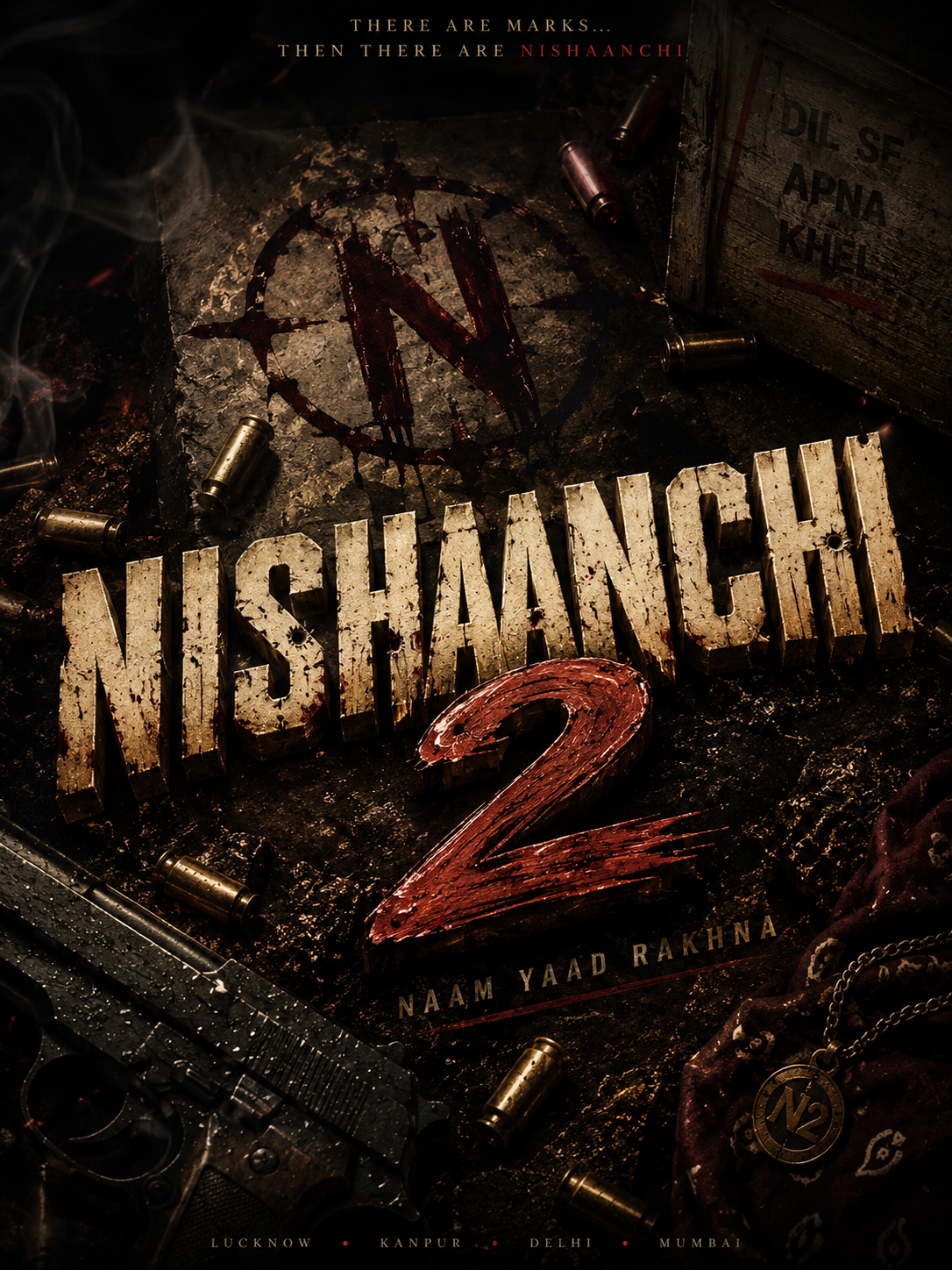
जब Anurag Kashyap जैसा contemporary filmmaker-िजसे arguably modern Hindi cinematic
grammar के notable architects में से एक माना जाता है-अपनी film को महज़ ₹2 crore की meager
opening करते हुए पाता है, तो यह mid-budget Indian cinema के सामने खड़े crisis को और deepen कर
देता है। लेकन ज़्यादा troubling signal तब आता है जब project को finance करने वाला platform ही इसके
second part को बना trailers, posters, marketing या formal announcement के release करने का
choose करता है। इस तरह का stealth drop सफ poor strategy नहीं है, बि क यह एक industry में artistic
value के broader और more systemic erosion को reflect करता है जो अब curation से कम और
algorithms से ज़्यादा govern होती है।
“Nishaanchi” की तरह एक modest, underperforming theatrical run भी cultural memory build करता
है। यह anticipation, debate, और public imagination पर एक momentary imprint जनरेट करता है। इस
process को पूरी तरह skip करना-बना posters के , बना clarity के , बना OTT पर shift कम्युनकेट कए-एक
film की eventhood को rob कर लेता है। यह director की cultural capital को diminish करता है और उस
audience की तरफ indifference signal करता है िजसने decades से उनके body of work को follow कया
है। Marketing एक financial transaction से कहीं ज़्यादा है। यह confidence का एक statement है। इसे
pre-emptively withhold करना कसी frame के देखे जाने से पहले ही film को devalue कर देता है।
“Nishaanchi 2” ठीक वहीं से resume होती है जहाँ इसका predecessor खत्म हुआ था, identical twins
Babloo और Dabloo (Aaishvary Thackeray) की fates को trace करते हुए, जो दोनों Rinku (Vedika
Pinto) के लए अपने complicated love में entangled हैं, और एक duplicitous political machine में फँसे
हुए हैं। जैसा क पहले establish कया गया था, Babloo एक volatile swagger कैरी करता है जो Dabloo की
timid gentleness से contrast करता है – एक classic Kashyap duality जो masculinity को burden और
performative shield दोनों के रूप में frame करती है।
पहली film ने Babloo की दुनया की internal machinery को lay out कया था: strongman Ambika
Prasad (Kumud Mishra) के प्रत उसकी allegiance, एक loyal enforcer के रूप में उसका role, और एक
personal rupture के बाद उसका eventual downfall जो उसे सलाखों के पीछे पहु ँचा देता है। Rinku-जो पहले
Babloo की partner थी-के साथ Dabloo का subsequent romance एक taboo, faintly transgressive
twist ऐड करता है, जो true Kashyap fashion में है। यह सफ एक ऐसे secret के revelation से soften होता
है िजसे Babloo ने incarcerated होते हुए भी उससे छुपा कर रखा था।
As a result, इस family-rooted crime chronicle का first chapter एक time capsule जैसा फील
हुआ-liberalization की कगार पर खड़े एक देश की modest rhythms के थ्रू एक deliberately unhurried drift,
जहाँ society के fringes पर एक साथ रहने वाली entire communities reshape, displace, और redefine
होने वाली थीं। इसकी tonal palette अक्सर Varun Grover की debut, “All India Rank” को echo करती थी,
जो unsurprising है क्योंक lyricist और collaborator के रूप में Kashyap के साथ Grover का
long-standing creative rapport रहा है। इसके opening frames से-जहाँ mosque prayers temple bells
के साथ blend होती हैं-लेकर इसके पहले action sequence तक जो India के clogged public और
bureaucratic systems की reality का mock उड़ाता है, film ने खुद को एक specific socio-historical
texture में anchor कया था।
“Nishaanchi 2”, by contrast, एक decade आगे leap करती है। हवा बदल चुकी है। कभी मौजूद secular
syncretism अब saffron overtones में harden हो चुका है। पहली film से एक ‘washing machine’ का
metaphor-जो कभी corruption के लए एक tongue-in-cheek nod था-अब recent headlines पर based
एक ज़्यादा sinister institutional counterpart बन चुका है।
Thus, Babloo prison से नकलकर एक ऐसी दुनया में emerge होता है िजसे वह अब recognise नहीं करता,
यह hope करते हुए क वह उस family को reclaim कर लेगा िजसे उसने abandon कया था: उसकी थकी हुई
माँ Manjiri (Monika Panwar), उसका जुड़वा भाई, और Rinku। लेकन life आगे बढ़ चुकी है। उनके
interpersonal dynamics ठीक उसी तरह shift हो चुके हैं जैसे nation का moral और political compass हुआ
है।
खुद को rebuild करने की कोशश करते हुए, Babloo एक muted coming-of-age arc पर embark करता है,
जहाँ वह अपने past के grime से detach होने का attempt करता है। वह Anjana (Erika Jason) की तरफ
drift होता है, जो एक radical social-media provocateur है िजसकी presence India के नए digital-first
political culture की तरफ gesture करती है-जो reactionary, performative, और देश के shifting
ideological pulse से wired है। लेकन Ambika की grip अब और भी stronger हो चुकी है।
Capital में power के corridors के और करीब entrench होकर, वह अपने long-time lieutenant, corrupt
cop Kamal Ajeeb (िजसे Mohammed Zeeshan Ayyub ने extraordinary nonchalance के साथ play
कया है) को unleash करता है। उसका mission Babloo को corner और dismantle करना है, उसे
high-stakes political assassinations की एक string में embroil करते हुए, िजन्हें इस तरह engineer कया
गया है क वह perfect scapegoat बन जाए।
Twins या fractured moral landscape को navigate करते dual protagonists का trope decades से
Bollywood storytelling का foundational pillar रहा है। Kashyap ने repeatedly कहा है क उन्होंने
“Nishaanchi” को full-on Salim–Javed zone में operate करने के रूप में envision कया था, उम्मीद करते
हुए क वह उन masala films के emotional sweep, raw intensity, और pulpy heart को channel कर
सकेंगे िजन्हें देखकर वह small-town India में बड़े हुए थे। यहाँ, वह उस nostalgic grammar को collective
anxieties interrogate करने के लए repurpose करते हैं: India के economically vulnerable लोगों की
insecurities, political machinery का violent churn, और उनके female characters में embedded
liberation की yearning।
Babloo और Dabloo की psychological shaping-बचपन में पता का absence, उनकी fractured social
conditioning, moral divide के आर-पार उनके diverging paths-ऐसा feel होता है जैसे Kashyap personal
trauma को broader sociopolitical decay पर map करने का attempt कर रहे हों। उनकी lives
circumstance के साथ-साथ affection से भी define होती हैं, जहाँ हर भाई इस बात का mirror बन जाता है क
दूसरा क्या हो सकता था।
जब तक यह sprawling five-hour-plus narrative अपने final movement तक पहु ँचता है, Babloo का
reckoning theatrics के जरए नहीं बि क एक quieter, ज़्यादा intimate confrontation के थ्रू emerge होता
है-especially उसकी माँ द्वारा उसके failures के quiet लेकन unvarnished reflection के ज़रए।
Yet film की deeper commentary कहीं और linger करती है: कैसे systems िजन्हें vulnerable लोगों को
protect करने के लए build कया गया है, वे repeatedly उन्हें ही sacrifice कर देते हैं, institutional violence
के cycles को nurture करते हुए scapegoats manufacture करते हैं। यह violence यहाँ Kashyap के
stylistic norm से ज़्यादा subdued render कया गया है, लेकन यह ज़रा भी कम unsettling नहीं है। यह एक
ऐसी choice है जो ज़रूरी नहीं क एक filmmaker के अपने craft में बेहतर होने की बात करती हो, लेकन
निचत रूप से उसके ज़्यादा poised होने की बात करती है।
Still, “Nishaanchi 2” flawless होने से बहुत दूर है। Midsection noticeably drift करता है, उन pacing
issues से weighed down होकर जो narrative से urgency को sap कर लेते हैं। कई late-stage character
introductions abruptly insert कए गए फील होते हैं, उनके motivations underexplore रह जाते हैं, और कुछ
key revelations inorganic thud के साथ लैंड करते हैं-जो narrative inevitability से ज़्यादा contrivance
लगते हैं। Tonally, gritty realism से heightened masala homage की तरफ shift हमेशा cohere नहीं करता,
और film occasionally अपनी political ambitions के साथ अपनी pulp sensibilities को balance करने में
struggle करती है।
Yet इन blemishes के नीचे एक central ethos मौजूद है जो unmistakably Hindi cinema के DNA से बंधा
हुआ है-mythic emotionality और social observation का एक ऐसा fusion जो कभी mainstream
Bollywood को define करता था। Tragedy यह है क यह lineage अब contemporary viewer के लए alien
फील होती है। “Nishaanchi 2” की muted, almost apologetic release इस cultural estrangement को
mirror करती हुई लगती है: एक signal क mid-budget masala dramas, जो कभी industry की backbone
हुआ करते थे, शायद अब theatrical imagination में space command नहीं करते।
Perhaps हम उन values, textures, और contradictions से बहुत दूर drift हो चुके हैं िजन्होंने filmmaking की
earlier generations को shape कया था। इसीलए अब उस sensibility को resurrect करने का attempt
करने वाली कोई भी चीज़ out of place फील होती है, एक ऐसे nostalgia को echo करते हुए िजसे receive
करने के लए हम अब culturally wired नहीं हैं।
In that sense, film की subdued release महज़ एक marketing misstep नहीं है। यह simply एक
widening disconnect का symptom है। जब हमारे cinematic और sociopolitical past में rooted stories
relevance-या यहाँ तक क visibility-find करने के लए struggle करती हैं, तो यह इस बात के deeper shift
को reflect करता है क mainstream Bollywood क्या value करना choose कर रहा है, और वह कसे
increasingly पीछे छोड़ता जा रहा है।