Anurag Kashyap, as a director, अब इतने different phases से गुज़र रहे हैं क उनकी filmography का
एक clear demarcation slowly एक daunting affair बनता जा रहा है। However, Kashyap के साथ, जो एक
चीज़ उन्हें दूसरे maverick filmmakers से separate करती है, वह यह है क, अपने views या content के
ज़रए controversy में घरे रहने के despite, यह इंसान consistently काम करता है। Kashyap के लए work
की एक sizable body exist करती है जो एक directorial life के manuscript की तरह है, जहाँ personal और
artistic बहुत ही honestly intermingle होते हैं।
However, उनकी filmography के अंदर की last couple of movies उन्हें curiously contemplation से shift
away होते हुए पाती हैं, और rather, retread करने और उस process में कुछ नया ढू ँढने की कोशश करते हुए
दखाती हैं। “Kennedy” (2023) (जो अब तक unreleased है) ने उन्हें film noir और world-weary cynicism
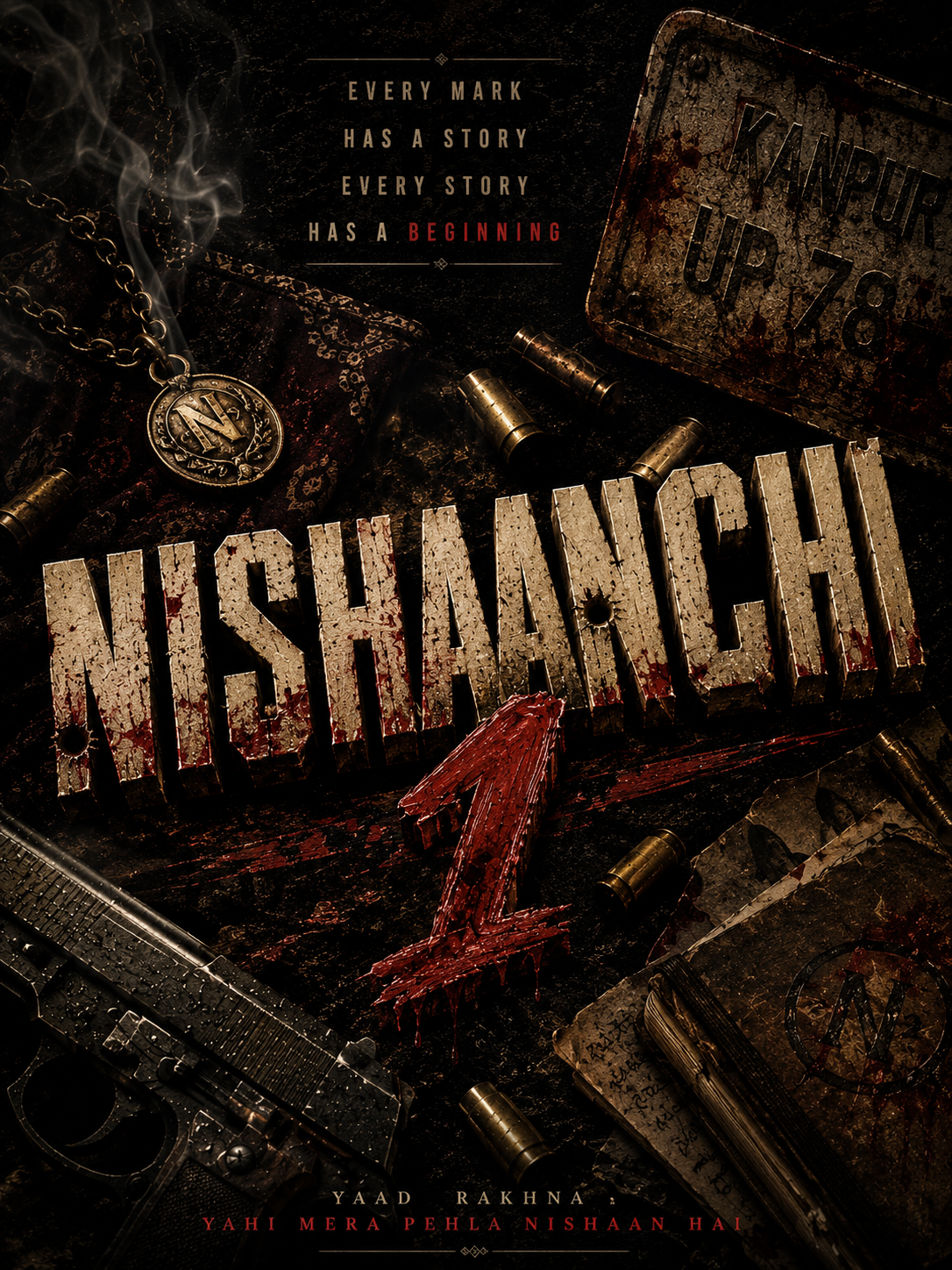
की तरफ return करते हुए पाया, जबक “Nishaanchi” (2025) Kashyap का अपनी roots की तरफ return
लगता है, जो Salim-Javed scripts की spine पर rest करने वाले Hindi commercial cinema के उनके love
की याद दलाता है। I am surprised, however, क अपनी rustic roots की तरफ return करने के despite,
Kashyap एक ऐसी film create करते हैं जो unwittingly derivative फील होती है, जैसे उनकी खुद की
filmography का एक “Greatest Hits” हो।
यह structure से ही stem होता है, in medias res में begin करने से लेकर finally एक extended flashback
के थ्रू जाने तक जो ultimately एक linear retelling बन जाता है। To say, however, क Kashyap में उस
energy की lack है जो इस Greatest Hits को imitation-heavy फील कराती है, film को unfavorably punch
down करना होगा। Because उनके most of the current-era work के unlike, “Nishaanchi”-हालाँक
exactly sparkle के साथ cohere नहीं करती-में कुछ astonishingly beautiful moments हैं िजन्हें
throwaway के रूप में classify कया जा सकता है, लेकन Kashyap fashion में, throwaway moments का
यह multitude इस world के texture और feel को build करने में essential बन जाता है।
Even as film एक massive three-hour runtime में laborious फील होने लगती है जो ultimately खुद को
एक two-parter के first part के रूप में reveal करती है, I would be remiss to say क Kashyap
“Nishaanchi” को safe play करते हैं। On the one hand, अपनी filmography के “Greatest Hits” को play
करना gallery को play करने में help करता है। On the other hand, complicated characters craft करना
हमेशा audience के लए बहुत alienating होने का risk carry करता है, especially अगर genre खुद उन
niggling moralities को tide over करने के लए enough encapsulating नहीं है जो Kashyap को बहुत
compelling लगती हैं और िजन्हें वह similar fashion में present करते हैं।
Kashyap कैसे Babloo का character craft करते हैं, जो एक outgoing, film-influenced, prison-serving
man है िजसका Vedika Pinto की Rinku के लए obsession आसानी से कसी भी दूसरी film (या खुद
Kashyap की भी) में horrifying के तौर पर characterize कया जा सकता था, वह heroism को glorify करने
और यह ensure करने के बीच एक very fine line walk करता है क horror slowly और steadily cracks के थ्रू
seep in करे। Final scene, िजसमें Rinku एक important facet जानने के बाद Babloo के essence को
wash away कर देती है, horror को एक साथ tie करता है और एक gut punch deliver करता है जो film को
unify भी करता है।
In contrast, Dabloo, या twins के बीच के relationship को, breathe करने के लए और time चाहए था, at
least इस depiction में क उनके आस-पास की दुनया ने उस twin को कैसे affect कया िजसने differently
choose कया। इसे इस बात से भी attribute कया जा सकता है क यह कतना एक first-parter है और इस
“generational saga” में second part actually क्या reveal करेगा।
Kashyap के हाथों में, commercial cinema के tropes को human complexities फीड कया जाना precisely
उस effort की वजह से fascinating बन जाता है जो यह समझने की कोशश करता है क cinephile कहाँ end
होता है और storyteller कहाँ begin होता है, या फर क्या अब कोई demarcation बची भी है। वह elegance
यहाँ lacking है, जो conversations के थ्रू world build up करने की कोशश करने के laborious runtime द्वारा
offset हो जाती है, जहाँ conversations essential groundwork से लेकर fun but unnecessary texture
overlay तक range करती हैं।
“Gangs of Wasseypur” का ghost इस film पर heavy लाई करता है, especially Richa Chadda की
strong matriarch वाली performance का असर Monica Panwar के ऊपर, लेकन Panwar खुद को hold
together करती हैं और narrative को take over भी कर लेती हैं। एक standout Vineet Kumar Singh के
साथ उनकी chemistry extraordinary है। Similarly, dual roles में newcomer Aishvaary Thackeray
utterly natural हैं, और Rinku के रूप में Vedika Pinto भी। Limited budget के within visual effects team,
और साथ ही Sylvester Fonseca की cinematography को credit जाता है क film के frames में dual role
इतना effortless और natural लगता है।
Film के three hours की होने का, या एक two-parter का first part होने का justification, जो खुद को एक
multi-generational saga के रूप में reveal करती है, जहाँ antagonist narrative या stature में Ramadhir
Singh िजतना imposing नहीं है, भले ही Kumud Mishra overall एक बहुत interesting character play
करते हैं, definitely up for debate है। यह film के overall mixed nature का emblematic है, िजसे इसका
music album perfectly represent करता है-multiple music directors का एक potpourri जो एक
interesting album में contribute करता है लेकन एक dissonant और ultimately unremarkable sonic
identity देता है।
I do have to say, Kashyap इस बात को लेकर subtle नहीं थे क यह story six hours से ज़्यादा की है।
Opening credits पर बजने वाला गाना quite blatantly यह बात give away कर देता है। Thankfully, बहुत से
two-parters के unlike जो एक tease के रूप में एक zinger यूज़ करते हैं और फर audience को एक ऐसी
eventual continuation के लए high and dry छोड़ देते हैं जो शायद कभी आए ही नहीं, Kashyap ने दोनों
parts shoot कए हैं। यह ensure करते हुए क उनकी Kanpur की tale, उनकी criminals, gangsters, small
towns और इन सभी elements के intersection वाली world को एक closure मले, worthy या otherwise।
Thankfully, film का end sequence इतना impactful है क यह एक somewhat complete chapter देखने
की satisfaction छोड़ जाता है।